
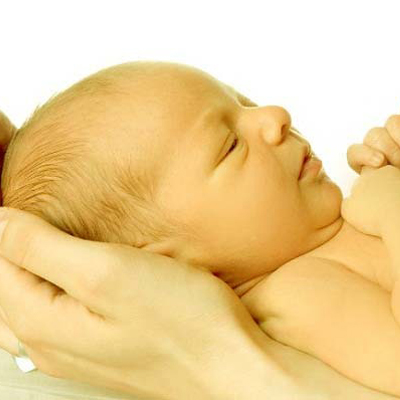
زردی نوزاد یکی از شایعترین مشکلات دوران نوزادی است و بیشتر والدین در روزهای اول تولد با آن مواجه میشوند. Seeing a baby's skin turn yellow or the whites of his eyes can be worrying for parents, but the reality is that in most cases, baby jaundice is normal and temporary. However, in certain circumstances, jaundice can be dangerous and require immediate examination and treatment by a pediatrician.
In this article, we fully explain what baby jaundice is, when it is normal, when it becomes dangerous, and what warning signs parents should pay attention to.
What is baby jaundice?
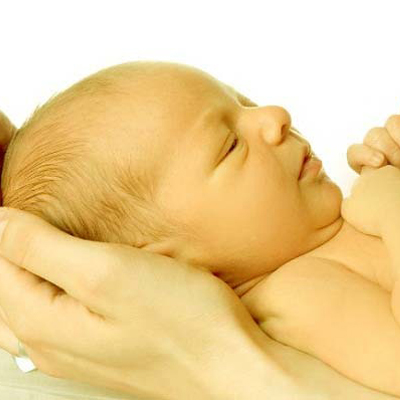
Jaundice in a baby is called a condition where the skin and whites of the baby's eyes turn yellow. This color change occurs due to the increase of a substance called bilirubin in the baby's blood.
Bilirubin is the result of the natural breakdown of red blood cells. The liver is responsible for removing this substance from the body, but babies' livers—especially in the first days of life—have not yet fully matured and may not be able to remove bilirubin quickly enough. As a result, the level of bilirubin increases and jaundice occurs.
When does a baby's natural jaundice appear?
In most healthy babies, jaundice usually appears between the second and fourth day of birth and gradually subsides within one to two weeks. This type of jaundice is called "physiological jaundice" and is usually not dangerous for the baby.
In premature babies, jaundice may resolve a little later, but it can still be normal; Of course, under the supervision of a doctor.
When does baby jaundice become dangerous?
Although most cases of jaundice are harmless, in some cases jaundice can be a sign of a serious problem. Baby jaundice is considered dangerous in the following cases:
- Jaundice appears in the first 24 hours after birth
- Intensity of jaundice increases quickly
- Jaundice persists for more than two weeks in full-term infants
- The level of bilirubin is higher than the limit
- Jaundice is accompanied by other abnormal symptoms
In such a situation, immediate examination by a pediatric specialist is necessary.
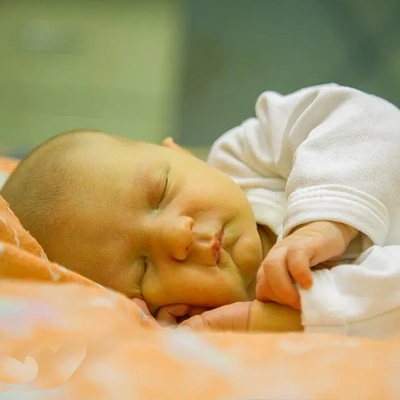
Warning symptoms of dangerous jaundice in babies
Parents should be sensitive to some signs, because these signs can indicate severe or dangerous jaundice:
1. Severe yellowing of the skin and eyes
If the yellowness spreads from the face to the abdomen, hands and feet, or the yellow color is very intense, it can be a sign of high bilirubin.
2. Abnormal lethargy and sleepiness
A baby who is excessively sleepy, has difficulty waking, or has little desire to feed should be seen by a doctor immediately.
3. The following and unusual cries
Sharp, low or unusual crying can be a warning sign of severe jaundice.
4. Poor feeding or refusal to breastfeed
Decreased appetite or weak sucking can be a sign of the effect of jaundice on the baby's nervous system.
5. Dark urine or pale stool
The baby's urine should be clear and the stool should have a normal color. Dark urine or very light stool can be a sign of liver problem or abnormal jaundice.
Why is severe jaundice dangerous?
If the level of bilirubin increases too much and is not treated, it may enter the baby's brain and cause a serious complication called craniocerebrospinal fluid. This condition can lead to permanent brain damage, hearing disorders, movement problems and even death.
The good news is that with timely diagnosis and correct treatment, these complications can be completely prevented.
Factors increasing the risk of infant jaundice
Some babies are more susceptible to severe jaundice than others, including:
- Premature babies
- Babies with low birth weight
- Mother and baby blood type incompatibility
- History of severe jaundice in previous children
- Inadequate feeding with breast milk
- Infections or underlying diseases
In these cases, more accurate monitoring of the jaundice level is very important.
How is dangerous jaundice diagnosed?
Determining the severity of jaundice is not enough just by looking at the baby's skin. Pediatrician using:
- A device for measuring jaundice on the skin
- Blood test for accurate measurement of bilirubin
It can determine the severity of jaundice and decide whether or not treatment is needed.
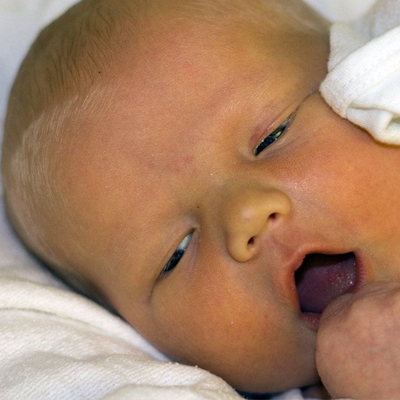
How is the treatment of baby jaundice?
Jaundice treatment depends on its severity. Treatment methods may include the following:
- Increasing baby nutrition for better bilirubin removal
- Phototherapy (light therapy), which is one of the most effective and safe methods of treating jaundice
- In very rare cases, blood exchange
Treatment must be done under the supervision of a doctor and unscientific home remedies should be avoided.
Does infant jaundice always need treatment?
No. Many babies just need to be checked and followed up and their jaundice will resolve naturally. The important thing is that determining whether jaundice needs treatment or not should be done by a pediatrician, not based on parental guesswork or the advice of others.
The role of parents in preventing severe jaundice
Parents can help reduce the risk of severe jaundice by observing the following tips:
- Starting breastfeeding in the early hours of birth
- Regular and sufficient breastfeeding
- See a doctor if you see any abnormal symptoms
- Following up and performing the recommended tests on time
Summary
Jaundice in babies is normal and harmless in most cases, but in some situations it can become a serious problem. Parents' awareness of warning signs, timely visit to a doctor such as Dr. Kambiz Herman Moghadam and careful monitoring of the baby's condition play a key role in preventing dangerous complications. With timely diagnosis and treatment, infant jaundice can be treated completely and without complications.